While humans are social creatures who thrive in networks of healthy relationships, the “loneliness epidemic” threatens to undermine this. Yet meaningful connnections are critical in maintaining physical and mental wellbeing.
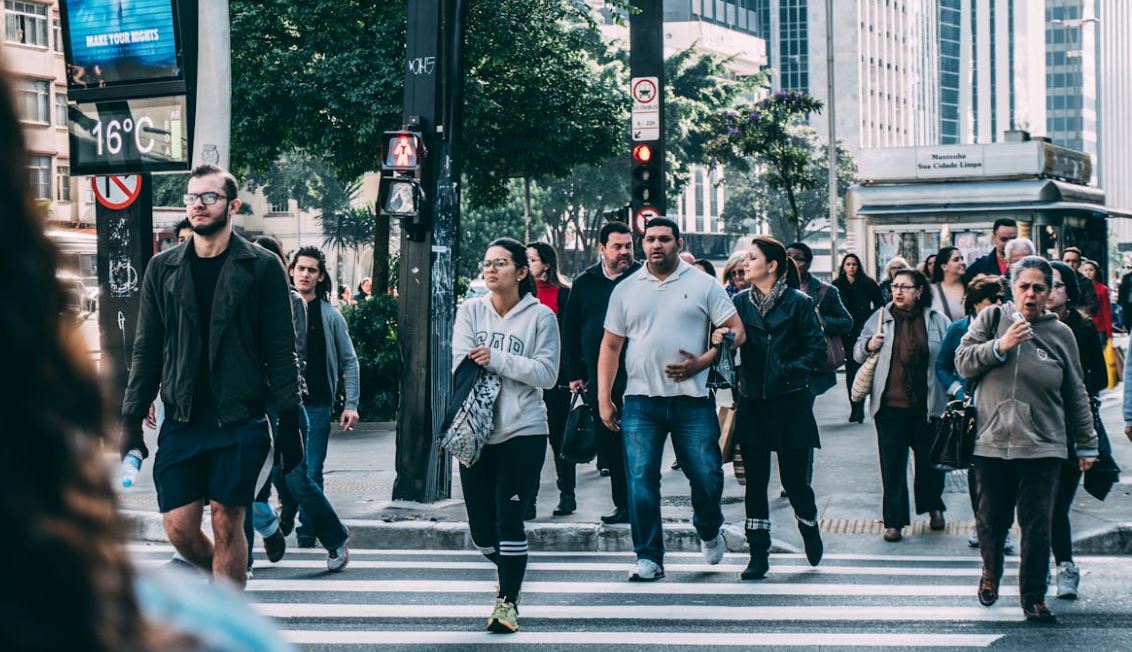
One in five Aussies report feeling lonely. Loneliness affects people of all ages, but especially youth and older adults, those with disabilities, and refugees and migrants. It can occur even when you’re surrounded by lots of people.
According to the World Health Organization, loneliness is linked to an estimated 100 deaths every hour–around 871,000 deaths annually. In contrast, strong social connections improve general health and wellbeing–reducing inflammation, lowering the risk of physical health problems, and improving mental health–and can lead to a longer lifespan.
Given social connections play such a pivotal role in improving health outcomes, how do we build stronger connections to minimise loneliness?
Tips for minimising loneliness and improving social connections:
- Decrease your screen time and, when you’re speaking with someone face-to-face, work on being fully present in the conversation.
- Get outside or out in public–play a team sport, sign up for a class you’ve always wanted to try, join a club (e.g., book club), go for a walk in the park.
- Spend time with family or friends. Quantity time often leads to quality time.
- Get to know your neighbours.
- Consider volunteering for an organization whose work you admire. Volunteering has been shown to decrease feelings of loneliness and is a great way to form stronger social bonds whilst also feeling like you’re making a difference.
- Reach out to a friend in need.
- Consider adopting a pet or companion animal. Pets can help in reducing feelings of loneliness.
- Consider chatting with a psychologist to discuss strategies to improve your mental health.