

Despite being one of the most connected generations in history, research shows that Gen Z is also the loneliest. Yet loneliness is less about solitude than it is about an absence of emotional connection. You can have many “friends” but still feel lonely.
Social media and online interactions allow us to feel connected to people despite not actually knowing them. You might feel a personal connection with a celebrity you follow, an influencer, a fictional character, or even AI. This kind of relationship may be easy and convenient to connect with.
However, social media often creates an illusion of connection, which is typically brief and works to target the dopamine (reward) centres of the brain. These connections don’t meet our needs for emotional intimacy and lack many of the features of real relationships, including emotional depth and reciprocity.
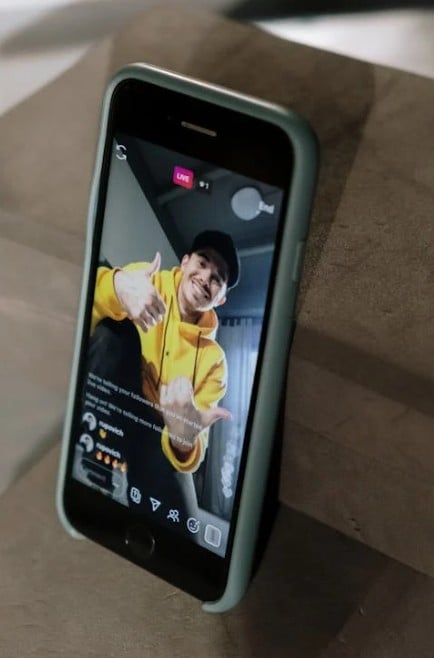
When we put all our energy and focus into engaging online, the quality of our offline interactions may reduce as our social skills are eroded, and we can be tempted to believe that the highly curated online lives we read about are reflective of reality.

Uncertainty is also rife in the digital age, and digital fatigue can play a part in intensifying stress. Many people across different generations describe feeling overstimulated and out of control. These feelings can lead us to isolate further, thus reducing our ability to form and maintain friendships. This is important to address, since loneliness has been shown to have significant impacts on both our mental and physical health.

How we can strengthen emotional connections in the digital age
As many people are already finding, the key to ending chronic loneliness is meaningful face-to-face interactions. To enhance our quality of life, friendships have to go deeper than our likes and dislikes and be characterised by reciprocity, active listening, and being vulnerable (that is, showing our true, unfiltered self).
Yet forming genuine friendships can take time and continued investment. You may find that you are pushed out of your comfort zone or that you have to try new things in order to meet people (take up a new sport, join a social club or community group, etc.). You will likely feel awkward or out of your depth at first, and that’s okay. Real relationships are also messy and sometimes a source of anxiety or stress. But there’s nothing like a true friend to laugh with you over coffee or help you out in a time of crisis.
As always, the team at AB Clinical Psychology is here for you if you feel you would benefit from additional support. A trained therapist can help you explore your personal values and assist you in forming meaningful social bonds that last for years into the future.


