

Is your inner voice or self-talk compassionate, kind, and encouraging, or does it sound like a bully at times? You may be hearing your inner critic.
How we speak to ourselves, even in the privacy of our thoughts, plays an enormous part in determining our mental state and health. No one talks to you more than you do!
However, some people find that their inner voice is more of an “inner critic”–criticising, discouraging, rebuking, or even berating you for what you think, feel, and do.
How we talk to ourselves is influenced by our past experiences, including our upbringing. We often internalise what loved ones have said to us, even if it’s overly negative or harsh. But the good news is that our inner critic doesn’t have to have the final say in determining how we think and feel about ourselves.

|
Therapy can be a great way to not only become aware of our internal thought-speak, but to learn different modes of relating to ourselves…countering the inner critic with greater self-compassion and self-kindness. Not all negative thoughts are automatically true…sometimes it’s about finding a more balanced thought that accurately reflects reality. You may find it beneficial to:
You may find the work of Dr Kristin Neff, a pioneer in the area of self-compassion research, helpful in learning more about self-compassion and how to cultivate it in yourself. Dr Neff has numerous free guided practice exercises for enhancing your self-compassion that can be found here. A trained professional can support you as you seek to understand your inner critic and develop a more balanced inner dialogue. Dr Hugo Gonzales (see the Clinician Spotlight below) has expertise in both individual and couples counselling and availability for appointments. |
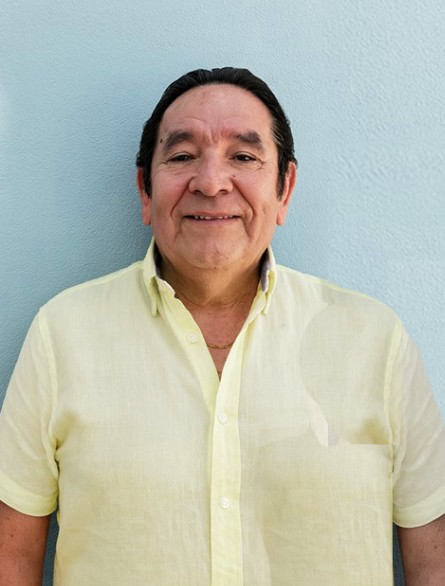
| Clinician Spotlight: Dr Hugo Gonzales |
|
Hugo is a clinical psychologist with 25 years of experience working with individuals and couples. He offers a supportive and in-depth approach to psychotherapy, helping clients gain insight into their emotions, patterns, and relationships while developing practical tools for lasting change. With expertise in anxiety, depression, PTSD, and personality disorders, Hugo’s work is grounded in psychoanalytic psychotherapy, creating a safe space for exploration, healing, and personal growth. He is also trained in EMDR therapy, an evidence-based approach for processing trauma and distressing memories. For couples, Hugo helps strengthen emotional connections, improve communication, and navigate relationship challenges by uncovering deeper dynamics and fostering understanding. His approach is warm, insightful, and tailored to each client’s needs, ensuring they feel supported as they work toward meaningful and lasting change. Hugo is ADF/Open Arms-BUPA accredited. Hugo has expertise in:
|


