

Collective trauma occurs when a shared traumatic event impacts a larger group psychologically, emotionally, and socially.
Collective trauma events include pandemics, intergenerational trauma, genocides, natural disasters, terror attacks, and systemic racism or oppression.

Collective trauma can impact how a larger group or society operates. Common effects include:
- more widespread grief, fear, and anxiety
- the breakdown of trust / social bonds
- feeling a loss of safety or sense of control
- cultural shifts
- an impact on group identity and memory
- the transmission of trauma to the next generation
How to heal from collective trauma
Healing from collective trauma can be a long and complex process that takes many years.
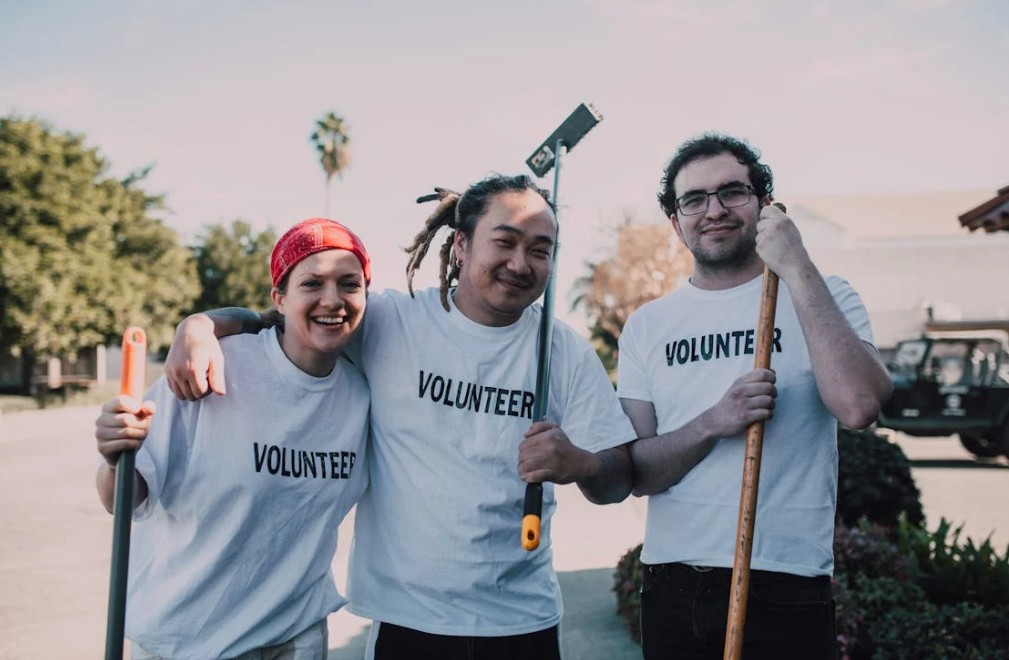
One of the most effective ways to recover from collective trauma is to heal together, as a community. Don’t keep to yourself–come together with others to grieve and find support. Family, friends, neighbours, and community organisations may be able to help you feel less alone in what you’re experiencing, and you will be able to help others, too. Sharing your story (including in a creative way, such as through painting or song or a ritual ceremony) is a powerful way to heal. Spending time in nature can also help.
It’s also important to look after yourself individually. Psychological “first aid” is an immediate priority–making sure you’re safe and looking after yourself. You may find it helpful to speak with a trusted family member or friend about what you’re experiencing. Or you may benefit from speaking with a trained psychologist or counsellor who can help you work through feelings of sadness, fear, or grief.
As always, the team at AB Clinical Psychology is here for you if you feel you would benefit from additional support.


